
Spanish version available here. Versión en español disponible aquí.
VirtualIORS was created with a simple goal: here on Earth, we can easily reproduce the receiving side of an ARISS activity. But how can we reproduce the signal that would normally come from the International Space Station?
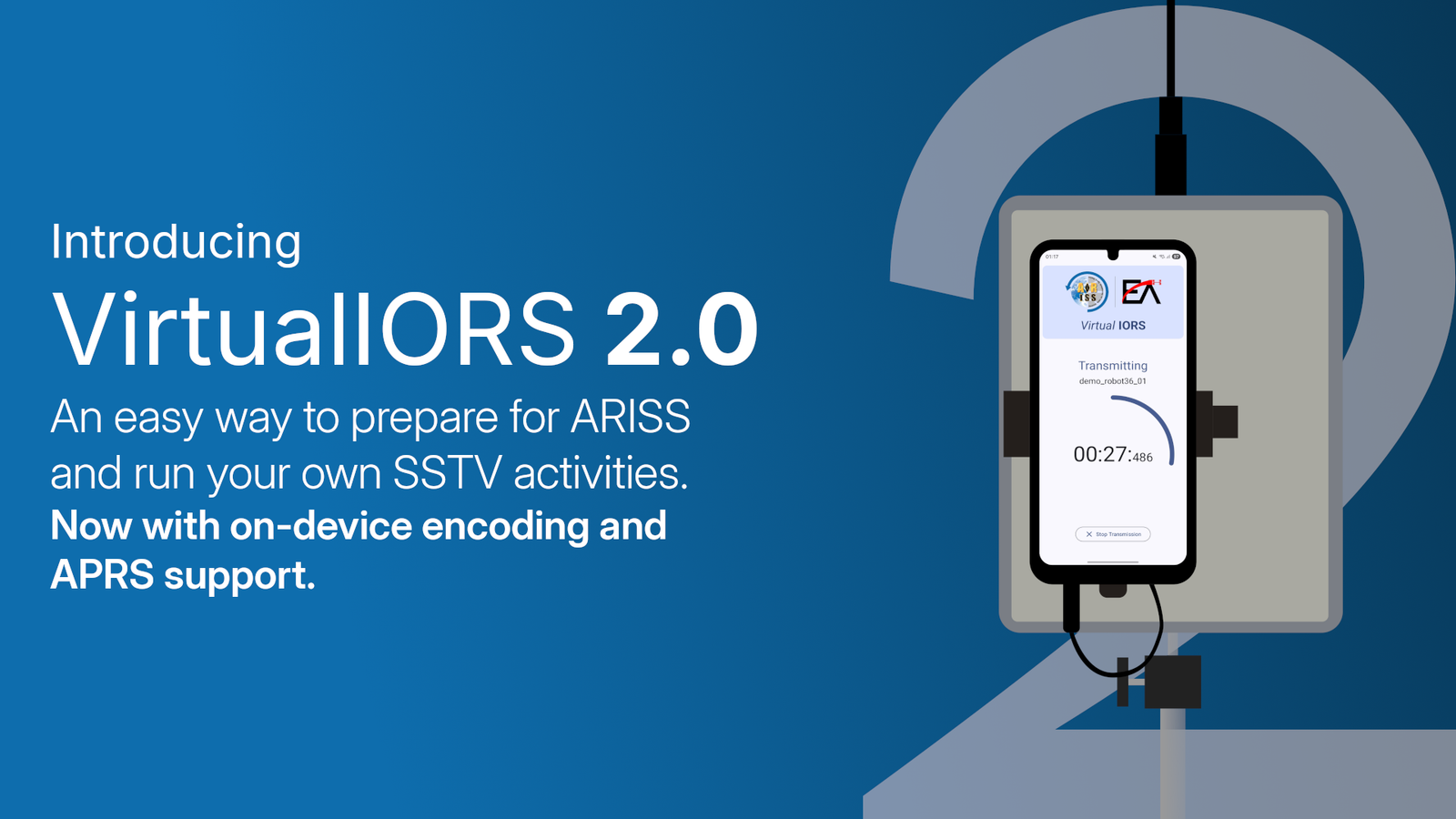
Today we are introducing VirtualIORS 2.0, a new version that significantly expands what the application can do while making it easier to prepare educational activities, demonstrations and radio exercises.
And although a lot has changed under the hood, the best way to explain VirtualIORS is still much the same.
A phone, a cable and a handheld radio
VirtualIORS turns an Android phone into an educational emulator of the radio system used for SSTV transmissions from the International Space Station. In short:
An Android phone + an audio cable + a handheld radio = a small educational emulator of ARISS radio transmissions.
VirtualIORS generates the audio signals and the radio puts them on the air. A few metres away, or much farther depending on the setup, other participants can receive them with their own equipment and decode SSTV images just as they would during a real ISS event. One image every two minutes.
Everything happens locally: we are not connecting to the ISS, and we do not need it to be passing overhead. The idea is to practise before an ARISS activity, explain how this type of communication works, or run your own SSTV event at a school, radio club, fair or outreach activity.
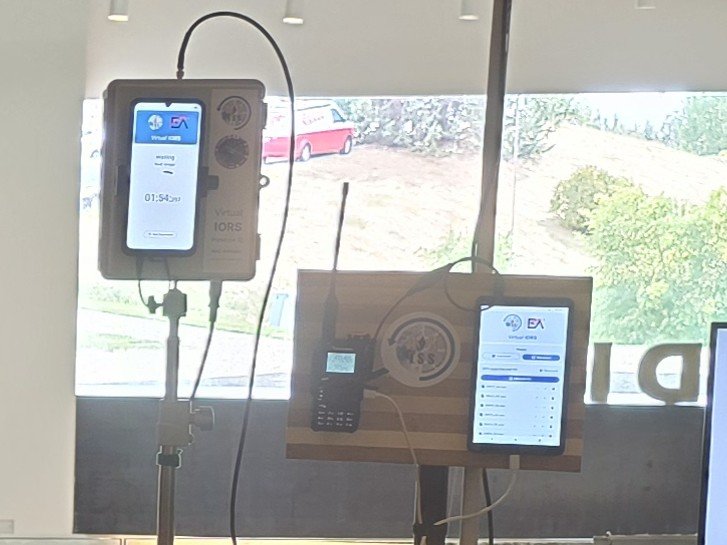
And some of you may already have come across VirtualIORS.
During 2026, it has been present at HAM RADIO in Friedrichshafen, Germany; SAIL250 Maryland in Baltimore, United States; the IRTS Hamfest in Mullingar, Ireland; and IberRadio in Ávila, Spain.
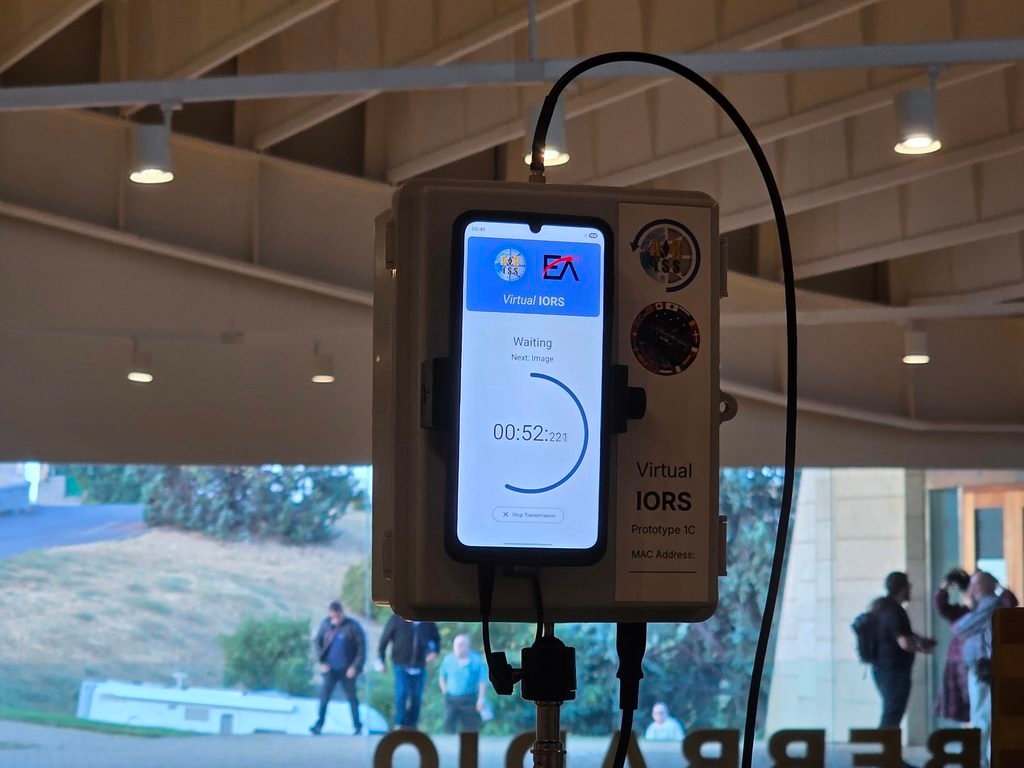
Along the way, VirtualIORS also made its way to the Technical University of Munich for the 5th Symposium on Space Educational Activities (SSEA 2026), held by TUM in collaboration with the European Space Agency (ESA). There, the work on VirtualIORS received third place in the Best Poster Award, among scientific contributions from 39 countries!
What is new in VirtualIORS 2.0?
On-device SSTV generation
Until now, using your own images required preparing the SSTV audio files beforehand.
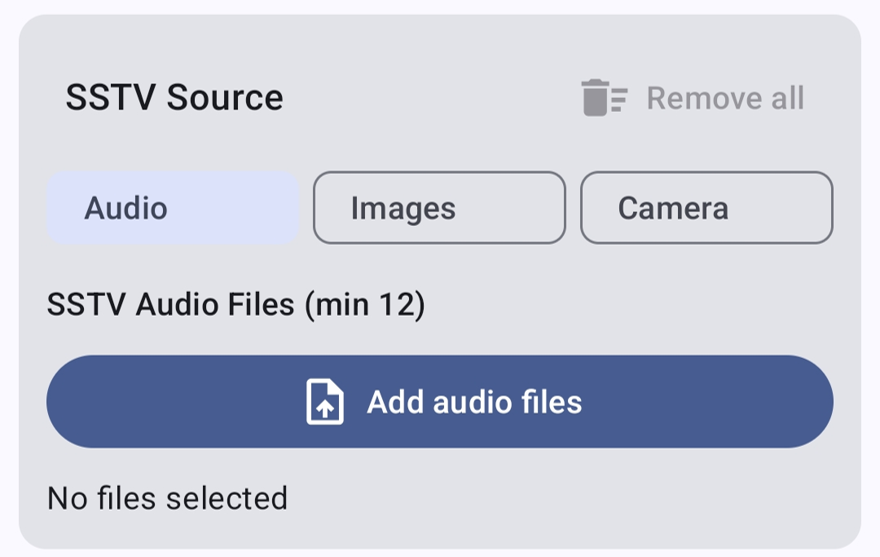
With VirtualIORS 2.0, you can select the images you want to use directly and let the application generate the signal for you.
The new version includes on-device Robot36 and PD120 encoding, together with options to add information such as your callsign, image numbering or timestamps.
You can also use the phone’s camera to capture images during the activity itself, so that each transmitted image can be generated from a photograph taken at that very moment.
APRS
VirtualIORS 2.0 also expands its capabilities beyond SSTV.
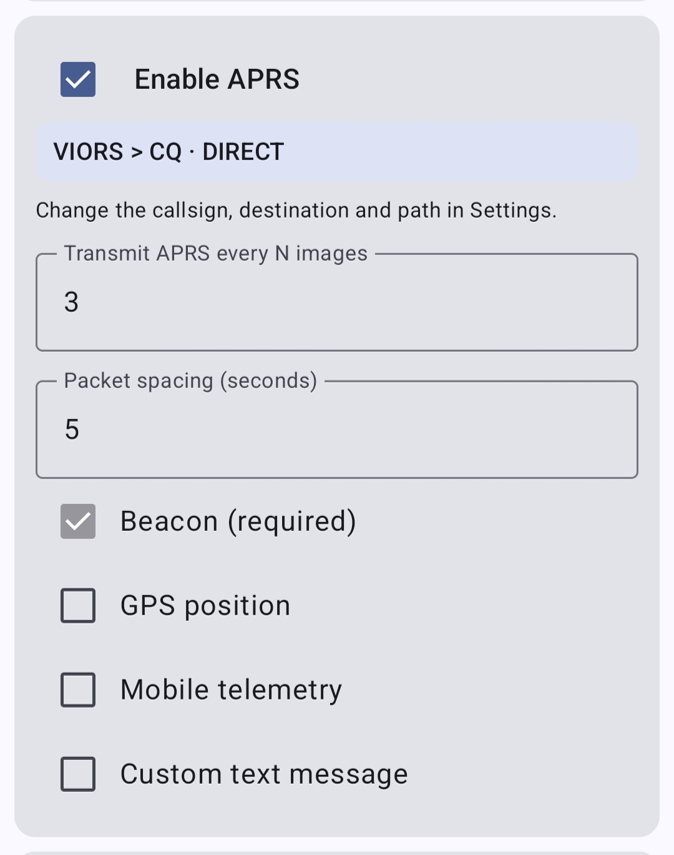
The application can now generate APRS signals, just as the ISS does, allowing you to experiment with beacons, position, telemetry and text messages.
For those already familiar with APRS, this opens up new possibilities for designing activities.
For those who are not, APRS is another technology we can experiment with through the ISS. Its digital packet radio system can act as a repeater, receiving packets sent from the ground and retransmitting them. It also transmits its own beacons.
VirtualIORS 2.0 makes it possible to reproduce this type of traffic locally, so you can learn how it works and practise before trying it during a real ISS pass.
Easier to prepare and use
Version 2.0 keeps the presets and ready-made demos from previous versions, making it as quick as possible to get up and running.
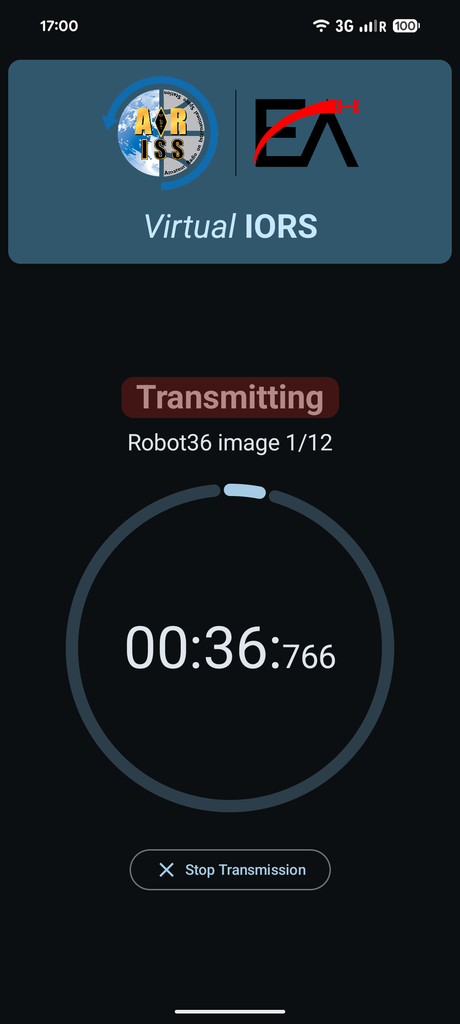
There are also smaller improvements, such as a red transmission indicator that makes it easier to tell at a glance when the application is on the air.
Now we need Google Play. And this is where we need your help.
We want installing VirtualIORS to be as easy as finding any other app on Google Play.
But first, there is one final step.
Google requires us to run a closed test with at least 12 testers who remain enrolled for 14 consecutive days before the application can be published. Google also expects the test to involve real use and encourages participants to try different features and provide feedback.
That is why we have launched Early Mission, a temporary page created specifically for this stage:
Taking part is quite simple:
- Go to Early Mission and follow the instructions to join the closed test. If you already have an older version installed via APK, uninstall it first.
- Join the beta and install VirtualIORS from Google Play.
- Stay enrolled in the test for 14 consecutive days. If you leave and then rejoin, that continuous period is broken.
- During those days, open VirtualIORS whenever you can, ideally every day, and actually use it: try a demo, generate SSTV, experiment with APRS, create a preset… Opening it every day is something we are asking from you, not a formal Google requirement. What matters is that the test involves real use and real feedback.
- If something does not work, is unclear, or you simply think it could be improved, let us know.
You do not need to know anything about SSTV, APRS or amateur radio to take part.
We have also prepared a temporary manual that starts from the basics and explains both these concepts and how VirtualIORS works:tos como el funcionamiento de VirtualIORS:
In fact, if you are new to this and there is something that the manual or the application does not explain clearly enough, we want to know. That feedback is just as valuable as finding a bug.
Thank you for joining us on the journey
Behind VirtualIORS 2.0 are many hours of development, testing and travelling, and above all, many people who have taken the time to experiment with us.
Now there is just one final step left to make VirtualIORS easier to find, install and keep up to date.
Thank you for taking part in the test and for helping us bring VirtualIORS to Google Play.
For any bug, question, suggestion or idea, you can reach us through our social media channels or email us at info@ariss-ea.org.
See you on the air!